
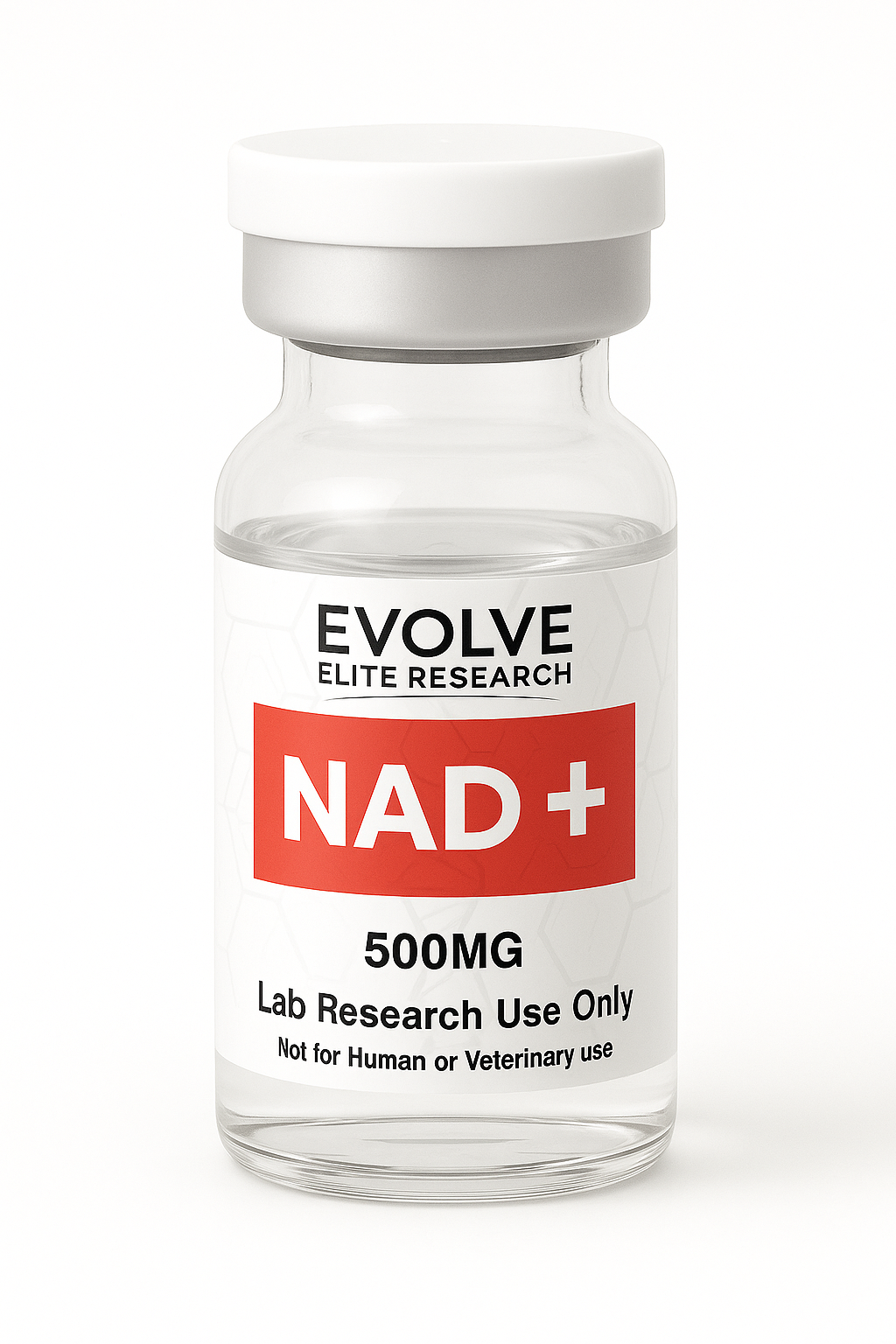
NAD+500MG – PH Balanced
$34.00
Technical Specifications
- Product Name: NAD+ 500MG
- Scientific Name: β-Nicotinamide Adenine Dinucleotide
- Common Name: NAD+
- Compound Classification: Pyridine Nucleotide Coenzyme
- Primary Research Areas: Redox Metabolism, Mitochondrial Bioenergetics, Cellular Respiration, Sirtuin Systems, PARP Signaling, and DNA-Damage Research
- Molecular Formula: C21H27N7O14P2
- Molecular Weight: Approximately 663.4 g/mol
- CAS Number: 53-84-9
- PubChem CID: 5892
- Appearance: White to Off-White Lyophilized Material
- Research Quantity: 500MG
- Intended Use: Laboratory Research Only
For Laboratory Research Use Only.
Not intended for human or veterinary administration. The 500MG designation identifies research quantity only and is not a recommended dose or administration instruction.
In stock
🔬 For Laboratory Research Use Only.
Not for human consumption, medical, veterinary, or household use.
By purchasing you agree to our
Terms and
Refund Policy.
Standardized research quantity for replicate assays, concentration-response studies and analytical allocation
Nicotinamide adenine dinucleotide supplied in the oxidized NAD+ research form
Investigated in redox metabolism, mitochondrial function, DNA-repair signaling and NAD-dependent enzyme systems
Prepared and shipped from our Texas facility with fast U.S. order processing
A defined lyophilized research format containing 500MG of oxidized nicotinamide adenine dinucleotide for controlled laboratory investigation involving cellular redox reactions, glycolysis, tricarboxylic-acid-cycle metabolism, mitochondrial electron transfer, ATP-associated bioenergetics, sirtuin activity, poly-ADP-ribose-polymerase signaling, CD38-associated NAD consumption, DNA-damage responses, chromatin regulation, cellular stress and analytical characterization.
NAD+ 500MG Research Summary
NAD+ is the oxidized form of nicotinamide adenine dinucleotide.
It is a naturally occurring pyridine nucleotide found throughout cellular metabolism.
NAD+ participates in oxidation-reduction reactions by accepting electrons and a hydrogen equivalent to form NADH.
NADH represents the reduced form of the NAD redox pair.
Reversible conversion between NAD+ and NADH supports electron transfer across numerous enzymatic reactions.
NAD+-dependent redox reactions occur in pathways including glycolysis, pyruvate metabolism, the tricarboxylic acid cycle, fatty-acid oxidation and mitochondrial respiration.
NAD+ also functions as a consumed molecular substrate for several non-redox enzyme families.
These enzyme systems include sirtuins, poly-ADP-ribose polymerases and NAD glycohydrolases such as CD38.
Sirtuins use NAD+ during protein-deacylation reactions and generate nicotinamide and ADP-ribose-associated products.
Poly-ADP-ribose polymerases consume NAD+ during ADP-ribosylation reactions associated with DNA-damage signaling and chromatin regulation.
CD38 possesses NADase activity and contributes to cellular and extracellular NAD metabolism.
NAD+ is therefore both a recyclable redox coenzyme and a consumable substrate in cellular signaling reactions.
The total NAD pool includes oxidized NAD+, reduced NADH and compartment-specific nucleotide populations.
The NAD+/NADH ratio is distinct from total NAD concentration and may provide separate information about cellular redox state.
Cytosolic, nuclear and mitochondrial NAD pools are interconnected but are not necessarily identical in concentration or redox balance.
NAD+ may be synthesized through de novo pathways, the Preiss–Handler pathway and salvage pathways involving nicotinamide or related precursors.
Nicotinamide phosphoribosyltransferase, abbreviated NAMPT, is frequently investigated as a regulatory enzyme within the nicotinamide salvage pathway.
Nicotinamide mononucleotide adenylyltransferases, abbreviated NMNATs, catalyze formation of NAD from nicotinamide mononucleotide-associated substrates.
NAD+ should not be confused with NADH, NADP+, NADPH, nicotinamide, nicotinamide mononucleotide or nicotinamide riboside.
These molecules are related within nucleotide metabolism but have different structures, oxidation states or biological roles.
NAD+ is not a peptide and does not contain an amino-acid sequence.
The defined 500MG format may support replicate biochemical assays, enzyme studies, redox measurements, mitochondrial research, analytical method development, stability studies and comparative nucleotide research.
NAD+ 500MG is supplied exclusively for controlled laboratory research and is not intended for human or veterinary administration.
Technical Specifications
NAD+ 500MG
Nicotinamide adenine dinucleotide
Oxidized NAD+ form
Pyridine nucleotide and metabolic coenzyme
500MG per vial
Lyophilized research material
NAD+
NADH
Dinucleotide coenzyme
Nicotinamide ribonucleotide-associated moiety
Adenosine ribonucleotide-associated moiety
Pyrophosphate-linked dinucleotide structure
C21H27N7O14P2
Approximately 663.43 g/mol
53-84-9
5892
Electron-accepting coenzyme
NAD+ to NADH
NAD-dependent oxidoreductases
Sirtuins, PARPs and NAD glycohydrolases
Redox metabolism, bioenergetics, DNA repair and cellular signaling
HPLC, LC-MS, UV analysis and enzyme-coupled assays
Dry lyophilized nucleotide material
Laboratory research only
NAD+ may be represented as a zwitterion, free ion, hydrated material or documented salt form. Formula, charge state and molecular-weight values may therefore vary among databases, analytical standards and supplier documentation. Researchers should use the molecular form identified in lot-specific documentation when performing quantitative calculations.
NAD+ Molecular Structure
NAD+ is a dinucleotide composed of two ribonucleotide-associated regions.
One region contains adenine attached to ribose.
The second region contains nicotinamide attached to ribose.
The nucleotide regions are connected through a pyrophosphate linkage.
The nicotinamide ring is the principal redox-active region of the molecule.
During reduction, the nicotinamide ring accepts a hydride equivalent to form NADH.
NAD+ does not contain an amino-acid sequence or peptide bonds.
It should therefore be analyzed as a nucleotide coenzyme rather than as a peptide.
Hydrolysis of the pyrophosphate linkage, modification of the nicotinamide ring or cleavage of glycosidic bonds produces chemically distinct degradation products.
Contains two ribonucleotide-associated molecular regions.
Functions as the principal redox-active portion of the molecule.
Contributes the adenosine-associated portion of the dinucleotide.
Connects the two nucleotide-associated regions.
NAD+ is capable of accepting a hydride equivalent during redox reactions.
NADH is produced when NAD+ accepts reducing equivalents.
NAD+ contains no amino-acid sequence or conventional peptide backbone.
Reported molecular form may vary with ionization, pH and counterion representation.
Molecular Characteristics
NAD+ is a polar, phosphorylated dinucleotide containing multiple ionizable groups.
Its phosphate groups contribute negative charge under many laboratory conditions.
The nicotinamide ring carries the oxidized pyridinium character associated with electron acceptance.
The adenine region contributes aromatic ultraviolet absorption.
NAD+ commonly displays ultraviolet absorbance near 260 nanometers because of its nucleotide bases.
NADH displays an additional absorbance feature near 340 nanometers that is commonly used in enzyme-coupled redox assays.
Oxidized NAD+ has substantially less absorbance at 340 nanometers than NADH.
This spectral distinction allows NADH formation or consumption to be followed in many biochemical reactions.
NAD+ may form multiple ionic or adduct-associated species during electrospray-ionization mass spectrometry.
Sodium, potassium, ammonium and other adducts may complicate mass-spectrum interpretation.
Molecular behavior may vary with pH, ionic strength, temperature, buffer composition, light exposure and sample matrix.
Multiple phosphate and hydroxyl groups contribute aqueous compatibility.
Phosphate groups contribute condition-dependent negative charge.
The nicotinamide region accepts reducing equivalents during NADH formation.
Adenine and nicotinamide-associated structures contribute ultraviolet absorbance.
Reduced NADH produces characteristic absorbance near 340 nanometers.
LC-MS may detect deprotonated, protonated or metal-adduct-associated forms.
Chemical or enzymatic cleavage can generate smaller nucleotide-related species.
Proteins, salts and endogenous metabolites may affect recovery and detection.
Scientific Background
NAD-associated coenzyme activity has been investigated since the early development of biochemical fermentation and cellular-respiration research.
NAD+ was identified as a transferable cofactor required for selected enzymatic oxidation-reduction reactions.
Subsequent research established that NAD+ and NADH cycle between oxidized and reduced states.
This redox cycle supports transfer of reducing equivalents from nutrient metabolism to downstream biochemical pathways.
Mitochondrial NADH can transfer electrons into respiratory-chain-associated systems.
Cytosolic NAD+/NADH balance influences glycolytic and lactate-associated reactions.
Research later demonstrated that NAD+ also functions as a consumed substrate in signaling reactions.
NAD+-dependent signaling enzymes connect nucleotide availability with protein modification, DNA-damage responses, chromatin regulation and calcium-associated signaling.
Modern NAD research therefore includes both redox bioenergetics and non-redox cellular signaling.
Published biological findings should not be interpreted as establishing that independently supplied research-grade NAD+ is approved, safe or effective for personal use.
NAD+ and NADH Redox Research
NAD+ and NADH form an oxidized-reduced coenzyme pair.
NAD+ accepts a hydride equivalent during oxidation of metabolic substrates.
The resulting reduced molecule is NADH.
NADH can subsequently donate reducing equivalents during other enzymatic reactions.
The NAD+/NADH ratio provides information about cellular redox state but does not equal total NAD concentration.
A high NAD+/NADH ratio indicates a more oxidized NAD pool under the conditions measured.
A lower NAD+/NADH ratio indicates a more reduced NAD pool.
Cytosolic and mitochondrial NAD redox ratios may differ substantially.
Sample preparation may alter oxidation state if metabolism is not rapidly quenched.
NAD+ and NADH should therefore be measured using methods designed to preserve and distinguish both forms.
Oxidized electron-accepting form of nicotinamide adenine dinucleotide.
Reduced electron-carrying form produced after hydride acceptance.
May include both oxidized and reduced NAD-associated species.
NAD+/NADH ratio is distinct from the absolute concentration of either form.
Glycolysis Research
Glycolysis converts glucose-associated substrates into pyruvate through a sequence of cytosolic reactions.
NAD+ participates in the glyceraldehyde-3-phosphate dehydrogenase reaction.
During this reaction, NAD+ is reduced to NADH.
Continued glycolytic flux requires regeneration of oxidized NAD+.
Under selected conditions, lactate dehydrogenase regenerates NAD+ while converting pyruvate to lactate.
Under oxidative conditions, cytosolic reducing equivalents may be transferred toward mitochondrial metabolism through shuttle systems.
Glycolytic research may measure NAD+/NADH ratio, lactate, pyruvate, glucose consumption and extracellular acidification.
Changes in glycolytic flux should not be attributed exclusively to NAD availability without evaluating enzyme activity and substrate conditions.
Tricarboxylic Acid Cycle Research
The tricarboxylic acid cycle is a central mitochondrial metabolic pathway.
Multiple cycle enzymes use NAD+ as an electron-accepting coenzyme.
NADH generated by these reactions can transfer reducing equivalents toward respiratory-chain-associated systems.
Relevant NAD-dependent enzymes include isocitrate dehydrogenase, alpha-ketoglutarate dehydrogenase and malate dehydrogenase.
Pyruvate dehydrogenase also generates NADH while linking pyruvate metabolism with acetyl-CoA production.
TCA-cycle research may include oxygen consumption, isotope tracing, metabolomics and enzyme-activity measurements.
Changes in one TCA-cycle metabolite do not independently establish overall cycle flux.
Isotopic tracing or complementary metabolic measurements may strengthen interpretation.
Mitochondrial Bioenergetics Research
Mitochondrial NADH supplies reducing equivalents to respiratory-chain-associated electron-transfer systems.
NADH oxidation at respiratory complex I contributes to electron movement through the mitochondrial electron transport chain.
Electron transfer supports proton-gradient formation across the inner mitochondrial membrane.
The proton gradient can support ATP synthesis through ATP synthase.
Mitochondrial NAD availability may influence substrate oxidation and respiratory capacity.
NAD+ itself does not directly equal ATP and should not be described as cellular energy.
Rather, NAD+/NADH cycling supports biochemical reactions involved in energy metabolism.
Mitochondrial research may measure oxygen consumption, membrane potential, ATP, NAD redox state and respiratory-complex activity.
Altered oxygen consumption may reflect changes in ATP-linked respiration, proton leak, substrate availability or cell viability.
Multiple bioenergetic endpoints are therefore preferable to one isolated measurement.
Fatty-Acid-Oxidation Research
Fatty-acid beta-oxidation contains NAD+-dependent oxidation steps.
These reactions generate NADH and acetyl-CoA-associated products.
Acetyl-CoA may enter the tricarboxylic acid cycle under suitable metabolic conditions.
NAD availability may therefore influence selected aspects of lipid-substrate oxidation.
Fatty-acid-oxidation research may measure oxygen consumption, acylcarnitines, isotope-labeled substrates and enzyme activity.
Changes in lipid abundance do not independently establish changes in beta-oxidation flux.
Sirtuin Research
Sirtuins are NAD+-dependent enzymes associated with protein deacylation and related modification reactions.
Mammalian sirtuins are distributed among nuclear, cytosolic and mitochondrial compartments.
Sirtuin reactions consume NAD+ rather than simply converting it reversibly into NADH.
Reaction products may include nicotinamide and ADP-ribose-associated molecules.
Sirtuin activity may be influenced by NAD+ concentration, substrate availability, nicotinamide accumulation and cellular compartment.
Increased NAD+ concentration does not independently prove increased activity of every sirtuin.
Direct enzyme assays, substrate-acetylation measurements and genetic controls may be required.
Individual sirtuins possess different substrates and biological functions.
Commonly investigated in nuclear and metabolic signaling systems.
Investigated in cytosolic protein regulation and cell-cycle-associated systems.
Frequently investigated in mitochondrial protein deacetylation.
Investigated in mitochondrial metabolic and protein-modification pathways.
Investigated in chromatin, DNA-damage and metabolic regulation.
Investigated in nuclear and ribosomal-associated cellular processes.
PARP and DNA-Damage Research
Poly-ADP-ribose polymerases are NAD+-consuming enzymes involved in ADP-ribosylation reactions.
Selected PARP enzymes become activated in response to DNA damage.
PARP activity transfers ADP-ribose-associated units from NAD+ to protein substrates or growing polymer chains.
Extensive PARP activity may consume substantial cellular NAD+.
NAD consumption may influence cellular metabolic state during sustained DNA-damage responses.
PARP research may measure poly-ADP-ribose formation, DNA-damage markers, NAD concentration and cell viability.
Changes in NAD concentration do not independently establish PARP activation because several enzymes consume or synthesize NAD.
PARP inhibitors, genetic controls and direct polymer measurements may strengthen mechanistic interpretation.
CD38 and NADase Research
CD38 is an enzyme with NAD glycohydrolase-associated activity.
It participates in metabolism of NAD+ and related nucleotide substrates.
CD38-associated reactions can generate ADP-ribose and cyclic ADP-ribose-associated products.
These products participate in selected calcium-signaling systems.
CD38 expression varies among cell types and may change during immune activation or cellular stress.
Increased CD38 abundance may contribute to increased NAD consumption in selected models.
Direct enzyme assays, CD38 inhibitors and genetic controls may help establish pathway dependence.
Changes in total NAD should not automatically be attributed to CD38 without measuring synthesis and other consumption pathways.
NAD+ Biosynthesis Research
Cells maintain NAD through several biosynthetic and recycling pathways.
De novo synthesis can begin from tryptophan-associated metabolism.
The Preiss–Handler pathway uses nicotinic-acid-associated intermediates.
The nicotinamide salvage pathway recycles nicotinamide toward NAD synthesis.
Nicotinamide riboside and nicotinamide mononucleotide may also enter NAD-associated biosynthetic pathways.
NAMPT catalyzes a regulatory step in the nicotinamide salvage pathway.
NMNAT enzymes catalyze formation of NAD from nicotinamide-mononucleotide-associated substrates.
Pathway contribution may differ among tissues, cell types and nutrient conditions.
Measurement of one precursor does not independently establish NAD synthesis rate.
Isotope tracing may help distinguish pathway flux from static metabolite abundance.
Subcellular NAD Compartment Research
NAD metabolism occurs within cytosolic, nuclear and mitochondrial compartments.
These compartments may contain different NAD concentrations and redox states.
Nuclear and cytosolic NAD pools may communicate through shared metabolic pathways.
Mitochondrial NAD homeostasis includes compartment-specific transport and biosynthetic considerations.
Whole-cell NAD measurements may conceal compartment-specific depletion or accumulation.
Genetically encoded biosensors, subcellular fractionation and targeted metabolomics may provide additional spatial information.
Fractionation methods should be checked for cross-contamination between cellular compartments.
Cellular-Stress Research
Cellular stress may influence NAD synthesis, consumption and redox balance.
Oxidative stress may alter NAD+/NADH ratio and activate DNA-damage-associated pathways.
Genotoxic stress may increase NAD consumption through PARP-associated reactions.
Metabolic stress may alter glycolysis, mitochondrial respiration and salvage-pathway activity.
Immune-associated stress may influence CD38 expression and nucleotide metabolism.
NAD measurements should be paired with viability, ATP, oxidative-stress and pathway-specific endpoints.
Reduced NAD concentration may result from decreased synthesis, increased consumption, altered compartmentalization or sample degradation.
Cellular Aging and Senescence Research
NAD metabolism is widely investigated in cellular aging and senescence models.
Experimental findings have associated altered NAD availability with changes in metabolism, DNA repair, sirtuin activity and cellular stress.
Senescent cells may display altered metabolic and inflammatory signaling.
NAD-associated observations may differ among tissues, species and experimental models.
Changes associated with chronological age do not prove that one NAD pathway is the sole cause of aging.
Cellular aging research should distinguish correlation, pathway dependence and causal mechanism.
Published aging and senescence research does not establish anti-aging efficacy, clinical benefit or suitability of this research material for personal use.
Immune-Cell Metabolism Research
Immune-cell activation is accompanied by changes in metabolism and redox signaling.
NAD-dependent enzymes may influence inflammatory signaling, protein modification and cellular energy pathways.
CD38 is expressed in several immune-cell populations and may contribute to NAD metabolism.
NAD-associated responses may differ between resting, activated and differentiated immune cells.
Cytokine changes should be interpreted alongside cell number, viability and activation markers.
Endotoxin contamination may substantially alter immune-cell experiments and should be controlled.
Immune-associated observations should not be generalized into therapeutic immune claims.
Potential Laboratory Research Applications
Investigation of NAD+-dependent oxidation-reduction reactions.
Evaluation of oxidized and reduced nucleotide balance.
Investigation of NAD-dependent glycolytic enzyme systems.
Evaluation of mitochondrial NAD-dependent dehydrogenase reactions.
Investigation of NADH-linked respiratory-chain activity.
Evaluation of bioenergetic pathways connected with NAD redox cycling.
Investigation of NAD-dependent steps within lipid-substrate metabolism.
Evaluation of NAD-dependent protein-deacylation systems.
Investigation of NAD consumption during ADP-ribosylation reactions.
Evaluation of NAD-associated signaling following controlled genotoxic stress.
Investigation of NAD glycohydrolase activity and related nucleotide products.
Evaluation of cyclic ADP-ribose-associated signaling pathways.
Investigation of de novo, salvage and Preiss–Handler pathways.
Evaluation of nicotinamide salvage-pathway regulation.
Investigation of enzymes catalyzing final NAD-forming reactions.
Comparison of cytosolic, nuclear and mitochondrial NAD pools.
Evaluation of NAD metabolism during oxidative or metabolic stress.
Investigation of NAD-associated changes in cellular-aging models.
Evaluation of NAD pathways in resting and activated immune cells.
Use as a cofactor or substrate in validated biochemical reactions.
Separation of NAD+, NADH and nucleotide-related species.
Confirmation of molecular identity and degradation-associated ions.
Evaluation of nucleotide absorbance and NADH-associated spectral change.
Measurement of intact NAD+ and related degradation products over time.
Why Researchers May Select NAD+ 500MG
Provides a standardized nominal quantity for controlled laboratory allocation.
Supports technical replicates, biological replicates and repeated experiments.
Provides material for evaluation across multiple controlled concentrations.
May be allocated among enzyme, metabolic, mitochondrial and analytical studies.
Supports experiments involving NAD+-dependent oxidoreductases.
Supports sirtuin, PARP, CD38 and related biochemical systems.
Provides material for controlled bioenergetic and respiration studies.
Supports comparison with NADH, NADP+, NMN, NR and nicotinamide.
Provides material for chromatographic, spectroscopic and mass-spectrometric workflows.
Supports time-course, temperature and buffer-condition studies.
Enables focused investigation of a defined dinucleotide coenzyme.
Supplied as dry nucleotide material for controlled laboratory allocation and analytical use.
Experimental Design Considerations
Confirm the Molecular Form
Use the documented NAD+ form, molecular weight, hydration state and counterion information when calculating molar concentration.
Distinguish NAD+ From NADH
Oxidized and reduced forms should be measured independently when redox state is an experimental endpoint.
Measure Total NAD Separately
Total NAD, NAD+ concentration, NADH concentration and NAD+/NADH ratio represent different measurements.
Rapidly Quench Metabolism
Delayed sample processing may permit continued enzymatic conversion or degradation of nucleotide species.
Use a Concentration Series
A single concentration does not define enzyme kinetics, response shape or nonspecific high-concentration effects.
Include Multiple Time Points
Redox changes, enzyme consumption and downstream signaling may occur on different timelines.
Control pH
Buffer pH may influence NAD stability, enzyme activity and analytical detection.
Control Temperature
Temperature may affect reaction velocity, nucleotide stability and sample degradation.
Protect From Unnecessary Light
Light exposure should be controlled during stability-sensitive analytical work.
Include Enzyme-Free Controls
Enzyme-free samples help distinguish spontaneous degradation from enzyme-dependent consumption.
Include Substrate-Free Controls
Substrate-free conditions may identify background nucleotide conversion or assay drift.
Control NADase Activity
Endogenous CD38 or other NAD-consuming enzymes may influence recovered NAD concentration.
Use Orthogonal Analytical Methods
HPLC, LC-MS, ultraviolet analysis and enzyme-coupled assays may provide complementary information.
Control Matrix Effects
Proteins, salts and endogenous metabolites may alter extraction recovery or detection response.
Assess Recovery
Spike-and-recovery experiments may help quantify loss during extraction and sample processing.
Normalize Cellular Measurements
NAD measurements may be normalized to cell number, protein, tissue mass or another validated reference.
Measure Cell Viability
Changes in cellular NAD may reflect altered cell number or membrane integrity rather than pathway-specific effects.
Predefine Statistical Analysis
Replicate structure, exclusions, normalization and multiple-comparison procedures should be specified before analysis.
Recommended Experimental Controls
Establishes baseline behavior without added NAD+.
Determines whether the preparation medium influences the endpoint.
Characterizes concentration-dependent experimental responses.
Accounts for incubation duration and sample handling.
Supports comparison between oxidized and reduced NAD forms.
Helps distinguish NAD-associated and NADP-associated enzyme systems.
Supports comparison with a salvage-pathway precursor and reaction product.
Provides comparison with a nucleotide precursor used in NAD biosynthesis.
Provides comparison with nicotinamide riboside-associated precursor research.
Evaluates nonenzymatic NAD degradation or conversion.
Measures background enzyme-associated NAD consumption.
Helps distinguish active enzymatic reactions from matrix effects.
Supports investigation of NAD-dependent sirtuin activity.
Supports investigation of PARP-associated NAD consumption.
Supports investigation of NADase-associated nucleotide consumption.
Confirms that the assay detects validated NAD-dependent redox activity.
Distinguishes pathway responses from altered cell survival.
Supports normalization of intracellular nucleotide measurements.
Identifies background introduced during sample extraction.
Identifies background from solvents, columns and instruments.
Supports retention-time, spectral and molecular-mass comparison.
Measures nucleotide loss or matrix suppression during analysis.
Confirms whether intact NAD+ remains detectable during incubation.
Evaluates photochemical effects during storage or analysis.
Analytical Characterization
Analytical characterization of NAD+ may require multiple complementary methods.
High-performance liquid chromatography may separate NAD+ from NADH, precursors and degradation-related species.
Liquid chromatography–mass spectrometry may support confirmation of molecular species consistent with the expected NAD+ form.
Ultraviolet spectroscopy may evaluate nucleotide absorbance and NADH-associated spectral differences.
Enzyme-coupled assays may measure functional participation in validated redox reactions.
NAD+ and NADH may interconvert during sample handling if metabolic reactions are not rapidly controlled.
Counterions, water and residual solvents may contribute to total material mass without representing NAD+-equivalent content.
One analytical method does not independently establish molecular identity, quantity, oxidation state, stability and biological cofactor activity.
Total vial mass, NAD+-equivalent content, molecular form, oxidation state, chromatographic composition, molecular identity, hydration state, counterion content, stability and functional coenzyme activity are separate analytical attributes.
HPLC Analysis of NAD+
High-performance liquid chromatography may separate NAD+ from related nucleotide species.
Potential analytes include NADH, NADP+, nicotinamide mononucleotide, nicotinamide, ADP-ribose and degradation products.
Reverse-phase, ion-pairing, ion-exchange or hydrophilic-interaction methods may be evaluated depending on the analytical objective.
NAD+ is highly polar and may display limited retention under conventional reverse-phase conditions without suitable method modification.
Mobile-phase pH, ionic strength and ion-pairing reagents may influence retention.
Ultraviolet detection near 260 nanometers may be used for nucleotide-associated absorbance.
NADH may also be distinguished through its increased absorbance near 340 nanometers.
Peak-area percentage does not independently establish total NAD+ content without validated calibration and response factors.
Retention time alone does not prove molecular identity and should be supported by mass spectrometry or another orthogonal method.
LC-MS and Molecular Identity
Liquid chromatography–mass spectrometry combines nucleotide separation with mass-to-charge analysis.
NAD+ may be analyzed using negative-ion or positive-ion electrospray conditions depending on the method.
Multiple phosphate groups support formation of deprotonated ions under suitable negative-ion conditions.
Sodium, potassium, ammonium and other adduct-associated species may appear.
In-source fragmentation may generate smaller nucleotide or phosphate-associated ions.
Chromatographic separation helps distinguish intact NAD+ from degradation products and related metabolites.
Tandem mass spectrometry may provide fragment evidence associated with adenine, nicotinamide, ribose and phosphate-containing regions.
Molecular-mass agreement does not independently establish concentration, oxidation-state distribution or coenzyme activity.
Ultraviolet and Enzyme-Coupled Analysis
NAD-associated nucleotides absorb ultraviolet light because of their aromatic base structures.
NAD+ and NADH both display nucleotide-associated absorbance near 260 nanometers.
NADH displays a characteristic additional absorbance near 340 nanometers.
Monitoring absorbance near 340 nanometers is widely used to follow NADH production or consumption in enzyme-coupled assays.
NAD+ itself contributes substantially less absorbance at this wavelength.
Spectral measurements should include path-length correction, blanks and validated extinction coefficients.
Turbidity, colored compounds and light-scattering particles may interfere with absorbance measurements.
Spectroscopy alone may not distinguish NAD+ from every nucleotide-related impurity.
Functional Coenzyme Activity Research
Chemical identity does not independently establish functional coenzyme activity.
NAD+ activity may be evaluated using validated NAD-dependent dehydrogenase reactions.
Formation of NADH may be followed spectrophotometrically near 340 nanometers.
Enzyme activity depends on NAD+ concentration, substrate availability, temperature, pH and enzyme integrity.
A reduced reaction rate does not independently establish defective NAD+ material.
Enzyme inactivity, substrate limitation, inhibitors or incorrect buffer conditions may produce similar findings.
Reference NAD+, positive enzyme controls and orthogonal identity testing strengthen functional interpretation.
NAD+ Stability Considerations
NAD+ stability may be influenced by temperature, moisture, light, pH, enzymes, buffer composition and storage duration.
Potential degradation pathways include pyrophosphate-bond hydrolysis, glycosidic-bond cleavage, nicotinamide loss and phosphate-associated reactions.
Enzymatic consumption may occur in biological matrices containing NADases, sirtuins, PARPs or other NAD-dependent enzymes.
Oxidation-state changes may occur through enzymatic or chemical redox reactions.
Lyophilization removes a substantial portion of water and may support stability relative to prolonged solution storage.
Once placed into solution, pH, temperature and microbial contamination may become increasingly important.
Clear solution appearance does not establish molecular integrity or oxidation state.
Stability should be evaluated using HPLC, LC-MS, spectroscopy or another validated analytical method.
Potential Degradation Pathways
Cleavage may separate nucleotide-associated regions of the molecule.
Loss of nicotinamide or adenine-associated components creates distinct species.
NADases may release nicotinamide and ADP-ribose-associated products.
Enzymatic consumption may generate ADP-ribose-related products.
Redox reactions may convert oxidized NAD+ into reduced NADH.
Sample handling may alter the measured NAD+/NADH distribution.
Enzymatic or chemical reactions may generate smaller phosphorylated species.
Elevated temperatures may accelerate nucleotide breakdown.
Strongly acidic or alkaline conditions may affect molecular stability.
Uncontrolled light exposure may contribute to stability loss.
Biological enzymes may rapidly consume or transform NAD+.
Contamination may alter nucleotide integrity and invalidate experiments.
Laboratory Storage
Lyophilized NAD+ 500MG should be maintained in a cool, dry and dark laboratory environment protected from unnecessary heat, moisture and direct light.
Longer-term storage should follow the product label, available lot documentation and validated institutional procedures.
Repeated temperature cycling should be minimized because it may introduce condensation and variable environmental exposure.
When condensation is possible, sealed material should be allowed to equilibrate under controlled laboratory conditions before opening.
Prepared research solutions are generally less stable than dry lyophilized material.
Solution stability depends on pH, buffer composition, oxygen exposure, temperature, light, microbial contamination and storage duration.
NAD+ oxidation state and molecular integrity should be monitored when storage duration is experimentally important.
Storage information is provided solely for preservation of laboratory research material and is not a preparation, reconstitution, dosing, injection, infusion or administration protocol.
Laboratory Handling
NAD+ 500MG should be handled only by trained research personnel using procedures appropriate for nucleotide coenzyme materials.
Researchers should document the lot identifier, molecular form, preparation date, solvent or buffer, calculated concentration, storage history and handling cycles.
Molar calculations should use the molecular weight corresponding to the documented chemical form.
Calibrated balances, pipettes and analytical instruments should be used when quantitative accuracy is required.
Small-volume transfer error, incomplete mixing and sample degradation may create differences between calculated and recovered concentration.
Biological samples should be processed rapidly when NAD oxidation state is an experimental endpoint.
Personal protective equipment, containment procedures and waste disposal should follow institutional requirements and laboratory risk assessment.
NAD+ Compared With Related Research Compounds
NAD+ is the oxidized form, while NADH is the reduced electron-carrying form.
NADP+ contains an additional phosphate and is used in different enzyme and biosynthetic systems.
NADPH is the reduced phosphorylated coenzyme associated with reductive biosynthesis and antioxidant systems.
Nicotinamide is a smaller vitamin-derived molecule and a precursor or product within NAD metabolism.
Nicotinamide mononucleotide is a nucleotide precursor used during NAD biosynthesis.
Nicotinamide riboside is a nucleoside precursor that may enter NAD salvage pathways.
NAD+ is a redox coenzyme and signaling substrate, while ATP is a principal phosphoryl-transfer and energy-coupling molecule.
NAD+ and FAD are distinct redox cofactors with different structures and enzyme-binding behavior.
NAD+ vs. NADH Research
NAD+ and NADH are two oxidation states of the nicotinamide adenine dinucleotide redox pair.
NAD+ accepts reducing equivalents during substrate oxidation.
NADH donates reducing equivalents during downstream biochemical reactions.
The molecules have different ultraviolet spectra and mass characteristics.
NADH produces characteristic absorbance near 340 nanometers.
Equal mass quantities of NAD+ and NADH should not automatically be treated as analytically interchangeable.
Research should distinguish concentration, total pool size and redox ratio.
NAD+ vs. NADP+ Research
NAD+ and NADP+ are structurally related but chemically distinct dinucleotide coenzymes.
NADP+ contains an additional phosphate group.
NAD-associated enzyme systems frequently support catabolic electron transfer.
NADP-associated systems frequently support reductive biosynthesis and antioxidant reactions through the NADP+/NADPH pair.
Enzyme specificity commonly distinguishes NAD from NADP cofactors.
NAD+ and NADP+ should not be used as interchangeable analytical or enzymatic standards.
NAD+ vs. NMN and Nicotinamide Riboside
NAD+ is a complete dinucleotide coenzyme.
Nicotinamide mononucleotide is a nucleotide precursor used during NAD biosynthesis.
Nicotinamide riboside is a nucleoside precursor that may be phosphorylated toward NMN-associated metabolism.
These compounds differ in molecular structure, molecular weight, transport biology and enzyme requirements.
Findings involving one precursor should not automatically be applied to direct NAD+ exposure.
Comparative studies should use compound-specific molar normalization and analytical standards.
Related Research Products and Resources
Scientific Research Resources
Frequently Asked Questions
What is NAD+ 500MG?
It is a defined lyophilized laboratory research format containing a nominal 500MG quantity of oxidized nicotinamide adenine dinucleotide.
What does NAD stand for?
NAD stands for nicotinamide adenine dinucleotide.
What does the plus sign in NAD+ indicate?
It identifies the oxidized form of the NAD redox pair.
What is the reduced form of NAD+?
NADH is the reduced form.
Is NAD+ a peptide?
No. NAD+ is a dinucleotide coenzyme and does not contain an amino-acid sequence.
How much NAD+ is in this research format?
The vial contains a nominal laboratory research quantity of 500MG.
What is the commonly referenced molecular formula of NAD+?
The NAD zwitterion is commonly represented by the formula C21H27N7O14P2.
What is the commonly referenced molecular weight?
The commonly referenced molecular weight is approximately 663.43 g/mol, although documented form, charge state and hydration may affect the reported value.
What is the CAS number for NAD+?
A commonly referenced CAS number is 53-84-9.
What is the PubChem CID for NAD+?
The commonly referenced NAD zwitterion record is PubChem Compound ID 5892.
What is NAD+ used for in cellular metabolism?
NAD+ functions as an electron-accepting coenzyme in numerous oxidation-reduction reactions.
How is NADH formed?
NADH is formed when NAD+ accepts reducing equivalents during an enzymatic redox reaction.
Is NAD+ the same as ATP?
No. NAD+ is a redox coenzyme and signaling substrate, while ATP is primarily involved in phosphoryl transfer and energy coupling.
Is NAD+ the same as NADP+?
No. NADP+ contains an additional phosphate group and participates in different enzyme systems.
Is NAD+ the same as nicotinamide?
No. Nicotinamide is a smaller molecule that functions as a precursor and reaction product within NAD metabolism.
Is NAD+ the same as NMN?
No. Nicotinamide mononucleotide is a precursor used during NAD biosynthesis.
Is NAD+ the same as nicotinamide riboside?
No. Nicotinamide riboside is a nucleoside precursor that may enter NAD salvage pathways.
What are sirtuins?
Sirtuins are NAD-dependent enzymes involved in protein deacylation and related regulatory reactions.
What are PARPs?
Poly-ADP-ribose polymerases are NAD-consuming enzymes involved in ADP-ribosylation and DNA-damage-associated signaling.
What is CD38?
CD38 is an enzyme with NAD glycohydrolase activity that participates in NAD consumption and nucleotide signaling.
What is the NAD+/NADH ratio?
It is the relationship between oxidized NAD+ and reduced NADH within a defined sample or cellular compartment.
Is the NAD+/NADH ratio the same as total NAD?
No. Total NAD concentration and oxidation-state ratio are separate measurements.
Why must samples be processed rapidly?
Continued metabolism or degradation may alter NAD concentration and oxidation state after sample collection.
Can NAD+ be analyzed by HPLC?
Yes. Validated HPLC methods may separate NAD+ from NADH and related nucleotide species.
Can NAD+ be analyzed by LC-MS?
Yes. LC-MS may support molecular-identity and degradation-product analysis.
Why is absorbance near 340 nanometers measured?
NADH displays characteristic absorbance near 340 nanometers, allowing many NAD-dependent reactions to be followed spectrophotometrically.
Does molecular-mass agreement prove coenzyme activity?
No. Molecular identity and functional enzyme-cofactor activity are separate properties.
Why can NAD+ molecular-weight values differ?
Reported values may reflect different ionic, zwitterionic, hydrated or salt-associated molecular forms.
Does the 500MG designation represent a recommended dose?
No. The 500MG designation identifies nominal laboratory research quantity only and does not represent a recommended amount, dosage, schedule, preparation, reconstitution or administration instruction.
Is NAD+ 500MG an approved pharmaceutical product?
No. This product is supplied solely as laboratory research material and is not represented as an FDA-approved drug.
Is NAD+ 500MG intended for human use?
No. It is strictly for controlled laboratory research and is not intended for human or veterinary administration.
Research-Use Notice
NAD+ 500MG is supplied exclusively as laboratory research material. It is not supplied or represented as a drug, finished pharmaceutical product, prescription medication, compounded preparation, food, dietary supplement, cosmetic or consumer product. It is not intended for human consumption, self-administration, medical use, veterinary use, household use, diagnostic use, topical application or therapeutic use.
NAD+ identifies the oxidized form of nicotinamide adenine dinucleotide. It should not be represented as chemically identical to NADH, NADP+, NADPH, nicotinamide, nicotinamide mononucleotide, nicotinamide riboside or any other related metabolite or precursor.
References to cellular energy metabolism, mitochondrial function, glycolysis, fatty-acid oxidation, the tricarboxylic acid cycle, electron transport, ATP, sirtuins, PARPs, CD38, DNA repair, chromatin, cellular aging, immune signaling, oxidative stress or published scientific findings are provided solely to describe areas of biochemical, cellular, analytical and preclinical investigation.
These references do not constitute medical claims, treatment recommendations or representations regarding the safety or effectiveness of this research material.
Findings from biochemical, cellular, tissue or animal research should not be interpreted as establishing safety, efficacy, dosing, bioavailability or suitability for administration of this product to humans or animals.
No information on this page should be interpreted as instructions for reconstitution, dosing, administration, injection, infusion, self-experimentation, energy enhancement, athletic-performance enhancement, anti-aging use, diagnosis, prevention, mitigation or treatment of any disease or condition.
The 500MG designation identifies nominal laboratory research quantity only. It does not represent a recommended amount, dosage, schedule or administration instruction.
Molecular formula and molecular-weight values may differ according to the documented ionic form, zwitterionic form, hydration state, salt form or counterion representation. Researchers should use lot-specific documentation when performing quantitative calculations.
This material should be handled only by qualified research personnel in an appropriately controlled laboratory environment. Researchers are responsible for confirming molecular identity, oxidation state and quantity, reviewing available lot-specific analytical documentation, selecting suitable analytical methods, determining suitability for their experimental design and complying with all applicable institutional, local, state and federal requirements.
Related products
Research Compounds
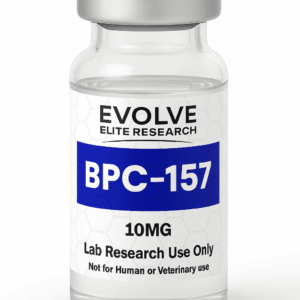
Research Compounds
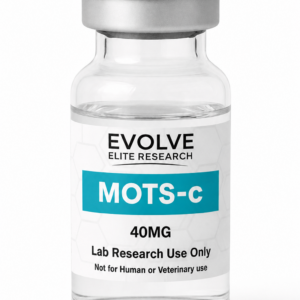
Research Compounds
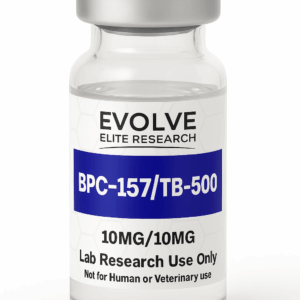
Research Compounds
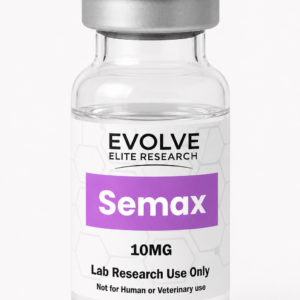
Research Compounds
Research Compounds
Research Compounds
Research Compounds