
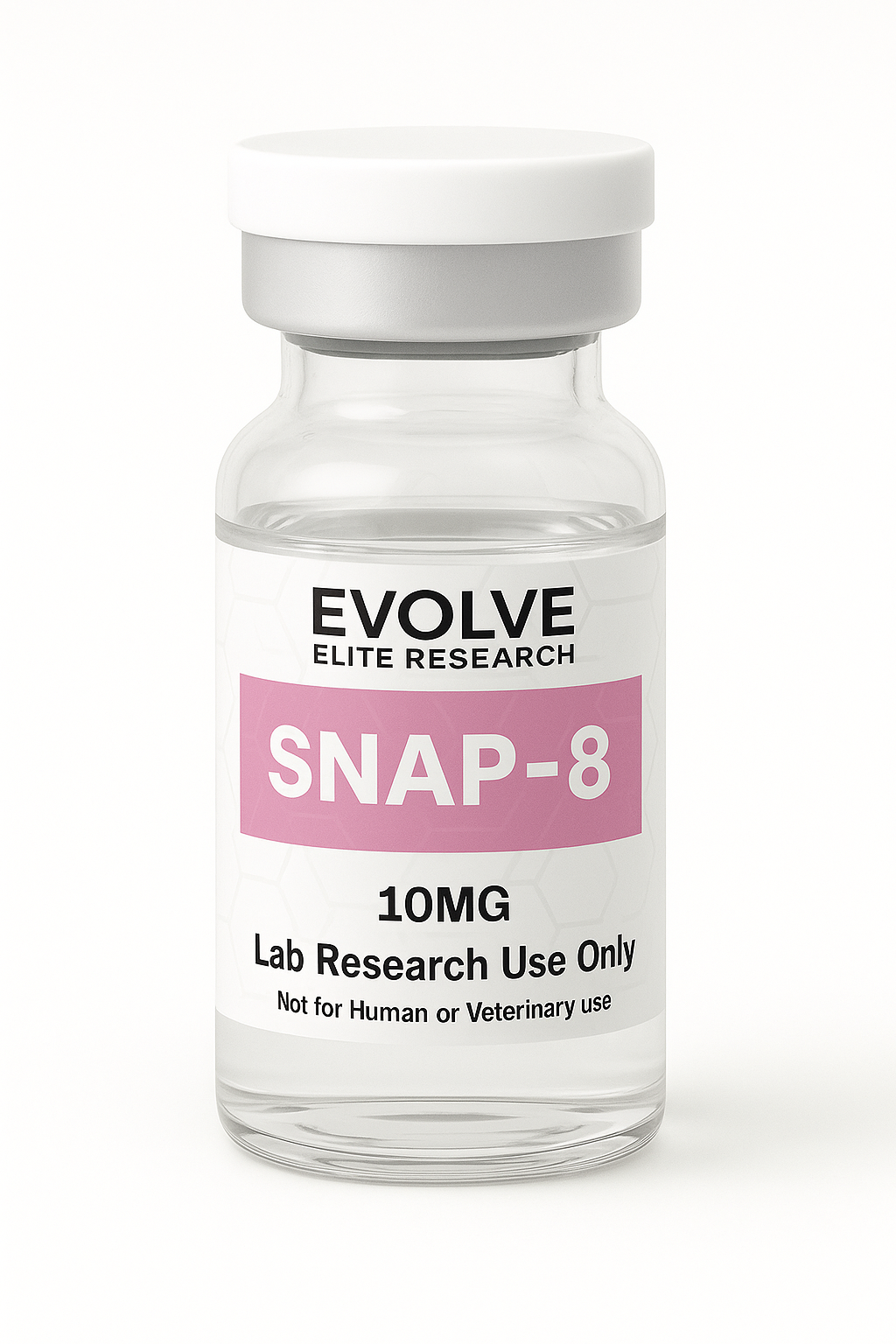
SNAP-8 10MG

$28.00
Technical Specifications
- Product Name: SNAP-8
- Scientific Name: Acetyl Octapeptide-3
- Peptide Classification: Synthetic Acetylated Octapeptide
- Primary Research Areas: SNAP-25-Associated Molecular Interactions, SNARE-Complex Research, Vesicle-Fusion Biology, Regulated Exocytosis, and Peptide Characterization
- Amino Acid Sequence: Ac-Glu-Glu-Met-Gln-Arg-Arg-Ala-Asp-NH2
- One-Letter Sequence: Ac-EEMQRRAD-NH2
- Molecular Formula: C42H72N16O15S
- Molecular Weight: Approximately 1,073.2 g/mol
- CAS Number: 868844-74-0
- PubChem CID: 71587832
- Intended Use: Laboratory Research Only
For Laboratory Research Use Only.
Not intended for human, veterinary, cosmetic, or topical application.
In stock
🔬 For Laboratory Research Use Only.
Not for human consumption, medical, veterinary, or household use.
By purchasing you agree to our
Terms and
Refund Policy.
Synthetic eight-residue peptide designed for controlled molecular, biochemical and cellular research
Investigated in experimental systems involving SNAP-25-associated protein interactions and vesicle-fusion biology
Suitable for HPLC, LC-MS, peptide-stability and comparative structure-activity workflows
Prepared and shipped from our Texas facility with fast U.S. order processing
Synthetic acetylated octapeptide supplied exclusively for laboratory investigations involving SNAP-25-associated molecular recognition, SNARE-complex assembly, vesicle-fusion biology, regulated exocytosis, peptide structure-activity relationships and analytical characterization.
SNAP-8 Research Summary
SNAP-8 is the commonly used research name for Acetyl Octapeptide-3, a synthetic eight-residue peptide represented by the sequence Ac-Glu-Glu-Met-Gln-Arg-Arg-Ala-Asp-NH2. The compound is also described in scientific and technical literature as an acetylated glutamyl heptapeptide or an extended peptide analogue related to SNAP-25-associated sequence research.
The peptide contains an acetylated N-terminus and an amidated C-terminus. These terminal modifications alter the charge, stability and molecular recognition of the sequence compared with an unmodified linear octapeptide.
SNAP-8 was designed for research involving proteins that participate in regulated vesicle fusion and exocytosis. Its sequence is associated conceptually with regions of synaptosomal-associated protein of 25 kilodaltons, commonly abbreviated SNAP-25.
SNAP-25 is an intracellular protein involved in formation of the soluble N-ethylmaleimide-sensitive factor attachment protein receptor complex, commonly called the SNARE complex. This protein machinery contributes to docking and fusion of membrane-bound vesicles with target cellular membranes.
Regulated vesicle fusion is essential to many experimental systems, including neurotransmitter release, hormone secretion, enzyme release and intracellular membrane trafficking. SNAP-8 may therefore be used as a molecular probe in biochemical, recombinant-protein and cell-based research involving selected stages of exocytotic machinery.
Proposed SNAP-8 research models commonly examine whether the peptide alters interactions involving SNAP-25-associated protein regions or influences the efficiency of SNARE-complex assembly. However, direct competition, intracellular access and functional pathway inhibition must be established within each experimental system rather than assumed from peptide sequence alone.
SNAP-8 should not be described as botulinum toxin or as a molecular equivalent of botulinum neurotoxin. Botulinum neurotoxins are large bacterial proteins with receptor-binding, translocation and catalytic domains. SNAP-8 is a short synthetic peptide without those structural domains or proteolytic enzyme machinery.
The compound may be useful in structure-activity research comparing Acetyl Octapeptide-3 with Acetyl Hexapeptide-8, truncated sequences, scrambled controls, terminally modified analogues and other peptides associated with exocytosis research.
SNAP-8 is supplied exclusively as a laboratory research material. It is not intended for human consumption, self-administration, topical or cosmetic application, veterinary use, household use or therapeutic use.
Technical Specifications
SNAP-8
Acetyl Octapeptide-3
Acetyl Glutamyl Heptapeptide-3
Synthetic linear octapeptide
8 amino-acid residues
Ac-Glu-Glu-Met-Gln-Arg-Arg-Ala-Asp-NH2
Ac-EEMQRRAD-NH2
Acetylated
Amidated
C42H72N16O15S
Approximately 1073.2 g/mol
Methionine
Two arginine residues
Two glutamic-acid residues and one aspartic-acid residue
SNARE-complex and vesicle-fusion research
SNAP-25-associated molecular machinery
Lyophilized research material
See product label and applicable lot documentation
See applicable Certificate of Analysis
Laboratory research only
Formula and molecular-weight calculations should correspond to the exact molecular form documented for the applicable lot. Counterions, residual water and salt-associated material may affect total sample mass without changing the core peptide sequence.
Molecular Characteristics
SNAP-8 is an acetylated and amidated linear octapeptide containing the sequence Glu-Glu-Met-Gln-Arg-Arg-Ala-Asp. Its molecular properties reflect the combined effects of acidic, basic, polar, hydrophobic and sulfur-containing residues.
Ac-Glu-Glu-Met-Gln-Arg-Arg-Ala-Asp-NH2
The first two residues are glutamic acid, each of which contains a side-chain carboxyl group that may contribute negative charge depending on pH. The C-terminal aspartic-acid residue also contains an acidic side chain.
Two adjacent arginine residues introduce strongly basic guanidinium groups. These positively charged residues can influence electrostatic interactions with proteins, membranes, chromatographic stationary phases and other molecular surfaces.
Methionine contributes a sulfur-containing thioether side chain that may be susceptible to oxidation. Oxidative modification of methionine can produce a detectable increase in molecular mass and may alter chromatographic behavior.
Glutamine provides a polar but uncharged amide side chain, while alanine contributes a small hydrophobic methyl group.
The combination of multiple acidic and basic residues produces a peptide with pH-dependent ionization behavior. Solubility, surface adsorption, electrophoretic migration and chromatographic retention may therefore change with buffer composition and pH.
N-terminal acetylation removes the positive charge ordinarily associated with a free terminal amino group. C-terminal amidation removes the negative charge ordinarily associated with a free terminal carboxyl group.
These terminal modifications may influence resistance to exopeptidases, molecular conformation, protein recognition and overall stability.
The first two residues contribute acidic side-chain carboxyl groups and influence overall charge distribution.
Provides a sulfur-containing thioether side chain that creates an oxidation-sensitive analytical variable.
Contributes a polar amide side chain capable of participating in hydrogen-bonding interactions.
Two adjacent guanidinium-containing residues contribute strong positive charge and potential electrostatic interactions.
Provides a small nonpolar side chain with limited steric bulk.
The final residue contributes an acidic side chain while the terminal backbone is amidated.
Neutralizes the free N-terminal amino group and alters peptide charge and enzymatic recognition.
Neutralizes the free C-terminal backbone carboxyl group and alters terminal chemistry.
Scientific Background
Eukaryotic cells transport proteins, neurotransmitters, hormones and other cargo through membrane-bound vesicles. Delivery of vesicular cargo often requires docking and fusion between a transport vesicle and a target membrane.
SNARE proteins form a central component of this membrane-fusion machinery. They contribute helical motifs that assemble into a tightly associated protein complex capable of bringing two lipid membranes into close proximity.
In neuronal exocytosis, commonly studied components include synaptobrevin or VAMP on the vesicle membrane and syntaxin plus SNAP-25 on the target plasma membrane.
Formation of the SNARE complex is not the only event required for neurotransmitter release. Vesicle transport, docking, priming, calcium entry, calcium sensing, membrane curvature, lipid composition and complex disassembly also contribute.
SNAP-8 was developed as a short synthetic peptide intended to support research involving selected SNAP-25-associated molecular interactions.
Because SNAP-8 is much smaller than full-length SNAP-25, it does not reproduce the complete structure, membrane association or full interaction network of the native protein.
Any proposed competitive or modulatory mechanism must therefore be tested directly using purified proteins, controlled recombinant systems or validated cell-based assays.
Peptide Design and Development
Short sequence-derived peptides are frequently developed to investigate whether a limited protein region contributes to a larger protein-protein interaction.
Researchers may identify an interaction-associated sequence, synthesize a smaller peptide containing related residues and evaluate whether the peptide changes complex formation or downstream function.
SNAP-8 contains two additional residues compared with Acetyl Hexapeptide-8, commonly known as Argireline. These additional residues create differences in molecular mass, charge distribution, peptide length, conformation and potential protein recognition.
The N-terminal acetyl group and C-terminal amide were incorporated to alter terminal charge and may improve resistance to selected exopeptidases compared with the corresponding unmodified peptide.
Peptide design alone does not demonstrate functional activity. Activity depends on target affinity, concentration, stability, compartment access and the requirements of the experimental model.
SNAP-8 is therefore most appropriately evaluated as a synthetic molecular probe whose proposed mechanism requires controlled experimental validation.
SNAP-25 Biology
SNAP-25 is a membrane-associated protein that participates in regulated vesicle fusion. The abbreviation refers to synaptosomal-associated protein of 25 kilodaltons.
SNAP-25 contributes two helical SNARE motifs to the neuronal SNARE complex. Syntaxin contributes an additional helix, and synaptobrevin or VAMP contributes the fourth.
Assembly of these helices produces a highly stable four-helix bundle. Progressive assembly may help draw vesicle and plasma membranes together.
Full-length SNAP-25 contains regions and post-translational modifications not present in SNAP-8. SNAP-25 is associated with cellular membranes through palmitoylation of cysteine residues within its central linker region.
SNAP-8 does not contain the full palmitoylated membrane-association region, both complete SNARE motifs or the full tertiary interaction context of native SNAP-25.
A short peptide sequence may nevertheless be useful for investigating whether a related local region contributes to molecular recognition or complex assembly.
Synaptosomal-associated protein of 25 kilodaltons.
Membrane-associated component of regulated vesicle-fusion machinery.
Full-length SNAP-25 contributes two helices to the neuronal four-helix SNARE bundle.
Native SNAP-25 is commonly associated with membranes through palmitoylated cysteine residues.
SNAP-8 is a short synthetic peptide associated with research on selected SNAP-25-related interactions.
SNAP-8 does not reproduce the full length, membrane anchoring or complete function of native SNAP-25.
SNARE-Complex Biology
SNARE proteins are categorized according to their cellular location, structural features and contribution to membrane-fusion complexes. Vesicle-associated and target-membrane-associated SNAREs interact to form trans-SNARE complexes.
In a commonly studied neuronal model, synaptobrevin is located primarily on synaptic vesicles, while syntaxin and SNAP-25 are associated with the presynaptic plasma membrane.
The SNARE motifs assemble in a directional process often described as zippering. This assembly releases energy and contributes to close membrane apposition.
Following membrane fusion, the SNARE proteins reside within the same membrane as a cis-SNARE complex. ATP-dependent machinery, including NSF and soluble NSF attachment proteins, contributes to complex disassembly and recycling.
Research involving SNAP-8 may examine whether the peptide changes assembly kinetics, protein binding, complex stability or downstream vesicle-release endpoints.
An observed reduction in vesicle release does not independently prove direct inhibition of SNARE assembly. Changes in cell viability, calcium signaling, membrane integrity, peptide aggregation or assay interference must also be excluded.
Core Vesicle-Fusion Components
Target-membrane-associated protein that contributes two helices to the neuronal SNARE complex.
Plasma-membrane-associated SNARE protein that contributes one helix to the assembled complex.
Vesicle-associated SNARE protein that contributes one helix to the complex.
Calcium-binding vesicle protein involved in coupling calcium entry to rapid regulated exocytosis.
SNARE-associated regulatory protein investigated in vesicle priming and release control.
Syntaxin-associated protein involved in SNARE organization, vesicle priming and fusion competence.
Priming-associated protein that helps prepare vesicles for rapid calcium-triggered release.
ATP-dependent machinery involved in disassembly and recycling of post-fusion SNARE complexes.
Vesicle Docking, Priming and Fusion
Regulated exocytosis involves multiple stages that may be experimentally separated. Vesicles are transported toward the target membrane, positioned near release sites, docked, primed and then triggered to fuse.
Docking refers broadly to stable positioning of a vesicle near the plasma membrane. Priming includes molecular rearrangements that create a fusion-competent vesicle.
Calcium entry through voltage-gated channels can activate calcium-sensing proteins and accelerate final fusion in neuronal and secretory systems.
SNARE-complex assembly contributes to membrane apposition but operates within a larger regulatory network. An experimental change in release may occur upstream, downstream or independently of the SNARE complex.
SNAP-8 research should therefore include assays capable of distinguishing peptide effects on calcium signaling, vesicle availability, fusion probability and final cargo release.
Regulated Exocytosis Research
Exocytosis is a membrane-trafficking process through which intracellular vesicles fuse with the plasma membrane and release cargo into the extracellular environment.
Constitutive exocytosis occurs continuously in many cells, while regulated exocytosis is triggered by defined signals such as increased intracellular calcium.
Regulated exocytosis is central to neurotransmitter release, hormone secretion, enzyme release, immune-cell granule release and other cellular processes.
SNAP-8 may be evaluated in reporter-cell systems, isolated vesicle preparations, recombinant protein assays or characterized secretory-cell models.
Potential endpoints include released cargo concentration, membrane-capacitance changes, fluorescent vesicle fusion, total internal reflection microscopy and biochemical complex formation.
Investigators should separate inhibition of vesicle fusion from general membrane damage, altered metabolism or reduced cellular viability.
Neurotransmitter-Release Research
Chemical neurotransmission requires synthesis or uptake of neurotransmitter molecules, packaging into vesicles, vesicle recruitment, calcium-triggered fusion and activation of postsynaptic or presynaptic receptors.
SNARE proteins participate in the vesicle-fusion stage, but total neurotransmitter concentration can also be influenced by synthesis, metabolism, transporters and vesicle loading.
SNAP-8-associated research may measure extracellular transmitter concentration after controlled stimulation. Such measurements should be interpreted alongside cell viability and intracellular transmitter stores.
A reduction in extracellular transmitter does not independently establish direct SNARE inhibition. It may reflect reduced synthesis, altered calcium entry, loss of viable cells, assay interference or instability of the measured transmitter.
Orthogonal measurements strengthen interpretation. Examples include vesicle-fusion imaging, electrophysiology, calcium imaging and direct analysis of SNARE-complex formation.
Acetylcholine-Release Research
Acetylcholine is a neurotransmitter synthesized from choline and acetyl coenzyme A by choline acetyltransferase. It is packaged into synaptic vesicles through the vesicular acetylcholine transporter.
Following calcium-triggered vesicle fusion, acetylcholine is released into the extracellular space and may interact with nicotinic or muscarinic receptors.
Acetylcholinesterase hydrolyzes released acetylcholine into choline and acetate. Choline may then be transported back into the presynaptic cell.
SNAP-8 may be investigated in controlled cholinergic systems as part of broader exocytosis research. Appropriate models may include characterized cell lines, neuronal cultures or biochemical release systems.
Acetylcholine-associated findings should distinguish synthesis, vesicle loading, release, receptor signaling and enzymatic breakdown.
Enzyme responsible for synthesis of acetylcholine from choline and acetyl coenzyme A.
Membrane transporter responsible for loading acetylcholine into secretory vesicles.
Depolarization-associated calcium entry can trigger fusion of acetylcholine-containing vesicles.
Enzyme responsible for rapid hydrolysis of extracellular acetylcholine.
Proposed Molecular Research Mechanism
SNAP-8 is commonly proposed to act as a short sequence-derived peptide that may interfere with selected protein-protein interactions required for efficient SNARE-complex formation.
Under a competitive model, a soluble peptide containing a related recognition region may interact with one component of the protein complex and reduce productive assembly.
This proposed mechanism should be considered a testable research hypothesis rather than an automatically established property in every model.
Direct evidence may include concentration-dependent changes in purified-protein binding, altered complex-assembly kinetics, displacement of a labeled interaction partner or reduced formation of the complete SNARE complex.
Cell-based evidence additionally requires confirmation that the peptide reaches the relevant intracellular compartment in an intact form.
Because SNAP-8 is hydrophilic and contains several charged residues, passive passage across lipid membranes may be limited. Delivery method, membrane integrity and intracellular peptide measurements are therefore important variables in mechanistic experiments.
Sequence similarity and a downstream release response do not independently prove direct competition with SNAP-25. Target engagement, intracellular access and appropriate negative controls are required.
Intracellular Access and Compartmentalization
SNAP-25 and the neuronal SNARE complex are located on the cytoplasmic side of cellular membranes. A peptide intended to interact directly with these proteins must therefore reach an intracellular compartment.
SNAP-8 contains multiple ionizable residues and does not possess an obvious hydrophobic membrane-spanning region. Passive membrane permeability should not be assumed.
Experimental systems may evaluate intracellular access through labeled-peptide imaging, quantitative mass spectrometry, fluorescence correlation methods or cell-fraction analysis.
Fluorescent labeling can alter peptide size, charge and hydrophobicity. A labeled analogue should therefore be compared with unlabeled SNAP-8 in a functional assay.
Detection of peptide associated with a cell does not necessarily establish cytosolic delivery. Material may remain bound to the outer membrane, trapped in endosomes or associated with extracellular matrix.
Mechanistic interpretation should distinguish surface association, endosomal uptake and functional access to cytoplasmic SNARE proteins.
Protein-Interaction Research
Protein-protein interactions may be studied using purified components, immobilized binding assays, fluorescence polarization, surface plasmon resonance, isothermal titration calorimetry and pull-down experiments.
Short peptides may display weak or transient binding that requires sensitive analytical methods. High peptide concentration can also produce nonspecific electrostatic interactions.
SNAP-8 contains both acidic and basic residues, making ionic strength and pH important experimental variables.
Scrambled-sequence controls can help determine whether an interaction depends on residue order rather than general charge composition.
Truncated peptides can identify whether one end of the sequence is required for measurable binding.
Direct binding data should be interpreted separately from downstream functional effects because target engagement does not automatically establish functional inhibition.
Structure-Activity Relationships
Structure-activity research examines how peptide length, sequence, stereochemistry, terminal modification and side-chain chemistry influence molecular activity.
SNAP-8 contains eight residues, while Acetyl Hexapeptide-8 contains six. The two peptides should not be treated as identical compounds merely because they are discussed within similar research categories.
Terminal acetylation and amidation alter charge and may influence susceptibility to aminopeptidases and carboxypeptidases.
The adjacent glutamic-acid residues and adjacent arginine residues create concentrated regions of negative and positive charge. Reordering these residues may alter local conformation and protein recognition.
Methionine oxidation can be evaluated as a structure-activity variable because the oxidized peptide may display different chromatographic behavior, target interaction or stability.
Alanine substitution scanning may help identify residues required for a measured response. Each residue can be replaced individually while the remainder of the sequence is preserved.
Comparison of six-, seven- and eight-residue analogues may reveal sequence regions required for activity.
Acetylated, amidated and unmodified analogues can be compared for stability and molecular recognition.
Scrambled controls test whether biological responses depend on the precise sequence.
Individual residue substitutions may identify side chains important for target interaction.
Oxidized and nonoxidized forms may be compared to determine whether sulfur chemistry influences activity.
Acidic and basic substitutions can evaluate the role of electrostatic interactions.
Cellular Research Models
SNAP-8 may be investigated in neuronal, neuroendocrine, secretory or engineered reporter-cell systems selected according to the research question.
Recombinant systems can provide control over expression of SNAP-25, syntaxin, synaptobrevin and other fusion-associated proteins.
Primary neuronal cultures preserve more native cellular machinery but may display substantial variability in cell composition, maturation and synaptic connectivity.
Neuroendocrine cell lines may support regulated secretory-vesicle research while providing greater experimental consistency.
Cell-based experiments should confirm viability, membrane integrity, peptide stability and intracellular access.
A measurable response in one cell type should not automatically be generalized to another because uptake pathways and exocytotic machinery may differ.
Biochemical and Cell-Free Research Models
Cell-free systems can isolate selected stages of SNARE-complex biology without the confounding variables associated with peptide uptake or metabolism.
Purified recombinant proteins may be used to measure complex formation, binding kinetics or peptide competition.
Liposome-fusion assays can recreate selected aspects of membrane fusion by incorporating defined SNARE proteins into artificial lipid vesicles.
Fluorescence dequenching, content mixing and lipid-mixing measurements may be used to quantify fusion.
Cell-free systems provide strong mechanistic control but do not reproduce the complete organization, regulation or compartmentalization of living cells.
Findings should therefore be validated through complementary cellular experiments where biologically relevant interpretation is required.
Gene-Expression Research
SNAP-8 is primarily associated with short-term protein-interaction and exocytosis research rather than direct transcriptional regulation. However, prolonged changes in secretion or cellular signaling may produce secondary gene-expression responses.
Quantitative PCR may be used to evaluate genes associated with vesicle trafficking, stress responses, membrane repair and cellular adaptation.
Broad transcriptomic methods may identify unexpected pathway changes but require biological replication and multiple-comparison correction.
Transcriptional responses should be interpreted as downstream cellular effects and not as direct evidence of SNAP-25 binding.
Protein-level and functional measurements are required to determine whether gene-expression changes correspond to altered vesicle-fusion activity.
Potential Laboratory Research Applications
Investigation of short peptide sequences associated with selected SNAP-25 protein-interaction regions.
Evaluation of protein-complex formation using purified components or controlled cellular models.
Analysis of lipid mixing, content release and regulated membrane-fusion processes.
Study of stimulus-dependent cargo release from neuronal or secretory cells.
Measurement of extracellular transmitter following controlled stimulation.
Evaluation of cholinergic vesicle release within characterized laboratory systems.
Investigation of direct or competitive interactions using purified molecular components.
Measurement of peptide association, endosomal localization and cytoplasmic access.
Comparison of sequence length, residue order, terminal modification and oxidation state.
Comparative analysis of Acetyl Octapeptide-3 and Acetyl Hexapeptide-8.
Identification of sequence regions required for a measurable molecular response.
Evaluation of whether activity depends on precise amino-acid order.
Cell-free examination of membrane-fusion processes using defined SNARE proteins.
Quantification of regulated secretion using fluorescent, luminescent or enzymatic cargo.
Monitoring of intact SNAP-8 and degradation products under defined conditions.
Evaluation of molecular identity, chromatographic purity, mass and oxidation state.
Experimental Design Considerations
Define the Molecular Question
Determine whether the experiment is intended to measure direct protein binding, SNARE-complex formation, vesicle fusion, intracellular peptide access or downstream cargo release.
Use a Concentration Series
Multi-point testing helps identify concentration dependence, response plateaus, aggregation and nonspecific high-concentration effects.
Include Biological Replicates
Independent cultures, protein preparations or vesicle preparations are required to evaluate reproducibility.
Verify Peptide Integrity
HPLC or LC-MS can determine whether intact SNAP-8 remains present during the experiment.
Assess Intracellular Access
Cell-based mechanistic claims require evidence that the peptide reaches the compartment containing the proposed target.
Separate Binding From Function
A binding response does not automatically establish inhibition of vesicle fusion, and a release response does not independently prove direct binding.
Measure Cell Health
Viability, metabolic activity and membrane integrity should be measured alongside secretion endpoints.
Control for Assay Interference
The peptide should be tested for direct effects on fluorescent dyes, enzymes, antibodies or analytical detection methods.
Use Sequence Controls
Scrambled, truncated and terminally unmodified analogues can clarify structural requirements.
Include Time-Course Measurements
Early and delayed measurements may distinguish direct molecular effects from secondary cellular adaptation.
Control Ionic Strength and pH
SNAP-8 contains multiple ionizable residues, making buffer composition important for binding and stability.
Predefine Statistical Analysis
Endpoints, exclusions, curve-fitting methods and statistical tests should be established before final data interpretation.
Recommended Experimental Controls
Establishes baseline behavior without peptide or laboratory vehicle.
Determines whether the laboratory vehicle affects the measured endpoint.
Identifies concentration dependence, plateaus and nonspecific responses.
Tests whether activity depends on the precise SNAP-8 residue order.
Helps identify whether terminal residues contribute to the measured response.
Evaluates the influence of N-terminal acetylation and C-terminal amidation.
Supports comparison with a shorter sequence-related research peptide.
Confirms that the selected assay can detect reduced vesicle-release activity.
Confirms that the experimental cells or vesicles can produce the expected release response.
Distinguishes altered secretion from reduced cell health or cell number.
Identifies nonspecific leakage or cell-membrane disruption.
Determines whether SNAP-8 reaches the proposed intracellular target compartment.
Knockdown, knockout or reduced-expression models may support target attribution.
Identifies background from buffers, solvents, columns or instrumentation.
Determines whether SNAP-8 directly alters the detection chemistry.
Accounts for incubation duration, handling and environmental changes.
Analytical Characterization
Analytical characterization supports evaluation of SNAP-8 molecular identity, chromatographic purity, peptide content and stability.
These properties are related but should not be treated as interchangeable. A dominant chromatographic peak does not independently establish sequence, total peptide quantity, terminal modification or absence of non-UV-detectable material.
Reverse-phase HPLC may separate the principal peptide from truncated sequences, deletion peptides, incompletely modified material and degradation products.
LC-MS can evaluate whether detected molecular species are consistent with the expected molecular mass of Acetyl Octapeptide-3.
Methionine oxidation should be considered during analytical method development because an oxidized form may produce a separate chromatographic peak and altered molecular mass.
Additional characterization may include tandem mass spectrometry, amino-acid analysis, peptide-content testing, water determination and counterion analysis.
Molecular identity, chromatographic purity, peptide content, terminal modification, oxidation state and net vial quantity are separate analytical properties.
HPLC Analysis
Reverse-phase high-performance liquid chromatography separates peptide components according to their interaction with the stationary phase and the changing mobile-phase composition.
SNAP-8 contains several charged and polar residues and may display retention behavior that is sensitive to mobile-phase additives, pH and ion-pairing conditions.
Potential secondary peaks may represent truncated peptides, deletion sequences, incomplete terminal modification, oxidized methionine species or other degradation products.
Relative chromatographic purity is commonly calculated using integrated peak areas under a defined analytical method.
Results depend on column chemistry, gradient, temperature, flow rate, detection wavelength, sample concentration and integration settings.
Retention time alone does not definitively establish peptide identity. Orthogonal analysis such as mass spectrometry provides stronger molecular confirmation.
LC-MS and Molecular Identity
Liquid chromatography-mass spectrometry combines chromatographic separation with mass-to-charge detection.
Acetyl Octapeptide-3 has a reported molecular formula of C42H72N16O15S and a molecular weight of approximately 1073.2 g/mol.
The peptide contains multiple basic residues and may form singly or multiply protonated ions depending on ionization conditions.
Analysts should account for isotope distribution, protonation, sodium or potassium adducts, counterions and calibration tolerance.
Oxidation of the methionine residue may produce a mass shift consistent with addition of oxygen and may create a distinct chromatographic species.
Mass agreement supports expected molecular identity but does not independently confirm the full amino-acid order, terminal modification or stereochemical integrity.
Identity, Purity and Peptide Content
Evaluates whether the detected species is consistent with expected SNAP-8 molecular composition.
Estimates relative abundance of detectable components under a defined HPLC method.
Describes peptide quantity relative to water, salts, counterions and other non-peptide material.
Evaluates the intended N-terminal acetylation and C-terminal amidation.
Assesses whether methionine-containing oxidized species are detectable.
Represents assigned vial quantity and is not equivalent to HPLC peak-area purity.
SNAP-8 Stability Considerations
Peptide stability may be influenced by temperature, moisture, oxygen, light, pH, enzymes, concentration, container material and microbial contamination.
N-terminal acetylation and C-terminal amidation may reduce susceptibility to selected exopeptidases, but they do not make the peptide resistant to all chemical or enzymatic degradation.
Methionine oxidation is a component-specific stability concern. Oxygen exposure, reactive species, light and trace metal contamination may influence oxidative modification.
Lyophilization removes a substantial portion of water and may improve storage stability compared with maintaining the peptide in solution.
Once placed in solution, increased molecular mobility may accelerate hydrolysis, oxidation, adsorption and other degradation pathways.
Stability in purified buffer may differ substantially from stability in culture media, serum, plasma or complex biological preparations.
Analytical stability should be evaluated under the same conditions and timeframes used in the corresponding biological experiment.
Potential Degradation Pathways
The sulfur-containing methionine residue may form oxidized molecular species.
Endopeptidases may process internal peptide bonds under biological conditions.
Terminal modifications may reduce but do not eliminate all exopeptidase-associated degradation.
Water-dependent reactions may influence peptide bonds or susceptible side-chain groups.
Peptide material may bind to glass, plastic, filters, pipette tips or analytical tubing.
Contamination may alter peptide integrity and confound biological measurements.
Laboratory Storage
Lyophilized SNAP-8 should be maintained in a cool, dry and dark laboratory environment protected from excessive heat, direct light and moisture.
Frozen storage may be appropriate for longer-term preservation according to the applicable lot documentation and validated laboratory procedures.
Repeated temperature cycling should be minimized because it may introduce condensation, moisture and inconsistent environmental exposure.
When condensation is possible, sealed research material should be allowed to equilibrate under appropriate laboratory conditions before opening.
Prepared solutions are generally less stable than dry lyophilized material. Solution stability depends on pH, buffer, concentration, oxygen exposure, temperature, container and experimental duration.
Storage information is provided solely for preservation of laboratory research material and is not a preparation, formulation, reconstitution, dosing, topical-use or administration protocol.
Laboratory Handling
SNAP-8 should be handled only by trained research personnel using procedures appropriate for synthetic peptides and the selected experimental system.
Researchers should document the lot identifier, preparation date, buffer or solvent, calculated concentration, storage condition and handling history.
Calibrated balances, pipettes and analytical equipment should be used when quantitative accuracy is required.
Small-volume transfer error, incomplete mixing and surface adsorption may produce meaningful concentration differences.
Light exposure, oxygen exposure and trace metal contamination should be considered when methionine oxidation is a concern.
Personal protective equipment, containment procedures and waste disposal should follow institutional requirements and the laboratory’s risk assessment.
SNAP-8 Compared With Related Research Peptides
SNAP-8 contains eight residues, while Acetyl Hexapeptide-8 contains six. They differ in molecular mass, sequence length and physicochemical behavior.
SNAP-8 is a short synthetic peptide. SNAP-25 is a full-length intracellular protein that contributes two helices to the neuronal SNARE complex.
SNAP-8 is a small nonenzymatic peptide. Botulinum neurotoxins are large bacterial proteins containing receptor-binding, translocation and catalytic domains.
SNAP-8 is associated with vesicle-fusion research, while GHK-Cu is a copper-binding tripeptide studied in metal coordination and extracellular-matrix biology.
Matrixyl-type peptides are commonly associated with extracellular-matrix signaling, while SNAP-8 is studied in SNARE-associated molecular systems.
PT-141 is a cyclic melanocortin receptor ligand with a different sequence, structure and receptor-research profile.
SNAP-8 vs. Acetyl Hexapeptide-8
SNAP-8 and Acetyl Hexapeptide-8 are distinct synthetic peptides frequently discussed within similar protein-interaction and exocytosis research categories.
SNAP-8 is Acetyl Octapeptide-3 and contains eight amino-acid residues. Acetyl Hexapeptide-8 contains six residues and has a lower molecular mass.
The additional residues in SNAP-8 alter charge distribution, hydrogen-bonding potential, conformation and susceptibility to enzymatic processing.
Comparative experiments should use molar rather than equal-mass concentrations because the compounds have different molecular weights.
The peptides should be tested under identical assay conditions, including buffer, incubation time, cell type and endpoint.
A stronger response in one assay does not establish universal superiority. Activity may change with target system, intracellular access, stability and concentration.
SNAP-8 and Botulinum Neurotoxin Are Not Equivalent
Botulinum neurotoxins are large bacterial proteins with specialized structural domains that bind neuronal surfaces, enter cells and enzymatically cleave selected SNARE proteins.
SNAP-8 is a short synthetic octapeptide without a receptor-binding domain, translocation domain or zinc-dependent protease domain.
SNAP-8 does not enzymatically cleave SNAP-25 and should not be represented as a peptide form of botulinum toxin.
Any SNAP-8-associated effect on exocytosis would require a fundamentally different molecular mechanism from the catalytic cleavage mechanism of botulinum neurotoxins.
Descriptive phrases implying equivalence can obscure major differences in size, cellular entry, catalytic activity, potency and biological behavior.
SNAP-8 is a synthetic sequence-derived research peptide. It is not botulinum toxin, does not contain botulinum toxin domains and should not be represented as a pharmaceutical, cosmetic substitute or interchangeable molecular equivalent.
Related Research Compounds
GLOW 70MG
Explore a multi-component research blend containing GHK-Cu, BPC-157 and TB-500.
KLOW
Explore a multi-component laboratory research blend within the Evolve Elite catalog.
PT-141 10MG
Explore a cyclic melanocortin peptide for receptor and signaling research.
Research Compound Collection
Browse additional synthetic peptides and laboratory research materials.
Scientific Research Resources
Frequently Asked Questions
What is SNAP-8?
SNAP-8 is a synthetic acetylated octapeptide commonly identified as Acetyl Octapeptide-3.
What is the standard ingredient name for SNAP-8?
The standard name is Acetyl Octapeptide-3.
What is the SNAP-8 amino-acid sequence?
SNAP-8 is represented by Ac-Glu-Glu-Met-Gln-Arg-Arg-Ala-Asp-NH2.
What is the one-letter sequence for SNAP-8?
The sequence may be represented as Ac-EEMQRRAD-NH2.
How many amino acids are in SNAP-8?
SNAP-8 contains eight amino-acid residues.
Is SNAP-8 a linear or cyclic peptide?
SNAP-8 is a linear peptide.
Is the N-terminus of SNAP-8 modified?
Yes. Its N-terminus is acetylated.
Is the C-terminus of SNAP-8 modified?
Yes. Its C-terminus is amidated.
What is the molecular formula of SNAP-8?
PubChem lists the molecular formula as C42H72N16O15S.
What is the molecular weight of SNAP-8?
The reported molecular weight is approximately 1073.2 g/mol.
Why might molecular-weight values differ between sources?
Differences may reflect counterions, residual water, salt-associated material or another molecular representation.
Does SNAP-8 contain methionine?
Yes. SNAP-8 contains one methionine residue.
Why is methionine important in SNAP-8 analysis?
Methionine contains sulfur and may undergo oxidative modification under some conditions.
Does SNAP-8 contain charged residues?
Yes. It contains acidic glutamic-acid and aspartic-acid residues as well as two basic arginine residues.
What does N-terminal acetylation do?
N-terminal acetylation removes the positive charge of a free terminal amino group and may affect stability and molecular recognition.
What does C-terminal amidation do?
C-terminal amidation removes the negative charge associated with a free terminal backbone carboxyl group.
What is SNAP-25?
SNAP-25 is a membrane-associated protein involved in regulated vesicle fusion and neuronal exocytosis.
What does SNAP-25 stand for?
SNAP-25 stands for synaptosomal-associated protein of 25 kilodaltons.
Is SNAP-8 the same as SNAP-25?
No. SNAP-8 is a short synthetic peptide, while SNAP-25 is a much larger native cellular protein.
What is the SNARE complex?
The SNARE complex is a protein assembly involved in bringing vesicle and target membranes together for fusion.
What does SNARE stand for?
SNARE refers to soluble N-ethylmaleimide-sensitive factor attachment protein receptor.
Which proteins form the neuronal SNARE complex?
Commonly studied components include SNAP-25, syntaxin and synaptobrevin or VAMP.
How many helices form the core neuronal SNARE bundle?
The core complex is commonly described as a four-helix bundle.
How many helices does SNAP-25 contribute?
Full-length SNAP-25 contributes two helices to the neuronal SNARE complex.
What is syntaxin?
Syntaxin is a target-membrane-associated SNARE protein that contributes one helix to the complex.
What is synaptobrevin?
Synaptobrevin, also called VAMP, is a vesicle-associated SNARE protein.
What is vesicle fusion?
Vesicle fusion is the merging of a vesicle membrane with a target cellular membrane.
What is exocytosis?
Exocytosis is the release of intracellular vesicle cargo following fusion with the plasma membrane.
What is regulated exocytosis?
Regulated exocytosis is vesicle release triggered by a defined cellular signal, frequently increased intracellular calcium.
What is vesicle docking?
Docking refers to positioning and stabilizing a vesicle near its target membrane.
What is vesicle priming?
Priming includes molecular changes that prepare a docked vesicle for rapid fusion.
What triggers neuronal vesicle fusion?
Calcium entry and activation of calcium-sensitive release machinery are major triggers in neuronal systems.
What is synaptotagmin?
Synaptotagmin is a vesicle-associated calcium-binding protein involved in rapid regulated exocytosis.
What is complexin?
Complexin is a SNARE-associated regulatory protein studied in vesicle priming and fusion control.
What is the proposed SNAP-8 research mechanism?
SNAP-8 is commonly proposed to influence selected SNAP-25-associated protein interactions or SNARE-complex formation.
Is direct SNAP-25 competition automatically established?
No. Direct competition must be demonstrated through controlled binding or complex-assembly experiments.
Why is intracellular access important?
SNAP-25 and the SNARE complex are located on the cytoplasmic side of cellular membranes.
Does cell association prove cytoplasmic delivery?
No. Peptide may remain on the cell surface or become trapped within endosomal compartments.
How can intracellular SNAP-8 be measured?
Researchers may use labeled-peptide imaging, mass spectrometry, cell fractionation or related quantitative methods.
Can fluorescent labeling alter SNAP-8?
Yes. A fluorescent label may change peptide mass, charge, hydrophobicity and intracellular behavior.
Can SNAP-8 be studied in purified-protein assays?
Yes. Purified proteins may be used to examine direct binding or SNARE-complex assembly.
Can SNAP-8 be studied in liposome-fusion assays?
Yes. Defined SNARE proteins may be incorporated into artificial vesicles for cell-free fusion research.
Can SNAP-8 be studied in cell-based assays?
Yes, provided peptide integrity, intracellular access, viability and assay specificity are evaluated.
Can SNAP-8 be studied in neurotransmitter-release models?
SNAP-8 may be investigated in characterized systems that measure regulated neurotransmitter release.
Can SNAP-8 be studied in acetylcholine models?
Yes. Controlled cholinergic systems may be used to investigate vesicle-release endpoints.
Does reduced extracellular neurotransmitter prove SNARE inhibition?
No. Reduced synthesis, altered calcium signaling, cell loss or assay interference may produce a similar result.
Why should cell viability be measured?
Reduced cell health or cell number can decrease secretion independently of a specific vesicle-fusion mechanism.
Why should membrane integrity be measured?
Membrane damage may produce nonspecific leakage and invalidate regulated-release measurements.
What is a scrambled peptide control?
It contains similar amino-acid composition but a different residue order.
Why use a scrambled SNAP-8 control?
It helps determine whether a response depends on the precise amino-acid sequence.
What is a truncated peptide control?
It is a shorter sequence used to identify which peptide regions contribute to activity.
What is alanine scanning?
Alanine scanning replaces individual residues with alanine to evaluate their contribution to molecular activity.
Can terminal modifications affect SNAP-8 activity?
Yes. Acetylation and amidation alter terminal charge, enzyme recognition and molecular behavior.
What is Acetyl Hexapeptide-8?
Acetyl Hexapeptide-8 is a distinct six-residue synthetic peptide often used in related exocytosis research.
Is SNAP-8 the same as Acetyl Hexapeptide-8?
No. SNAP-8 contains eight residues and has a different molecular formula and molecular weight.
Why compare SNAP-8 with Acetyl Hexapeptide-8?
Comparison may reveal how peptide length and additional residues influence stability or molecular activity.
Should comparative peptides be matched by mass?
Molar matching is generally more informative when the compounds have different molecular weights.
Is SNAP-8 botulinum toxin?
No. SNAP-8 is a short synthetic peptide and is not a bacterial neurotoxin.
Does SNAP-8 enzymatically cleave SNAP-25?
SNAP-8 does not contain the catalytic protease machinery used by botulinum neurotoxins.
Can SNAP-8 bind proteins nonspecifically?
High peptide concentrations and charged residues may produce nonspecific electrostatic interactions.
Why are buffer pH and ionic strength important?
SNAP-8 contains multiple ionizable residues whose charge and interactions depend on experimental conditions.
Can SNAP-8 aggregate?
Peptide aggregation may occur under some concentration, pH or buffer conditions and should be evaluated experimentally.
Can SNAP-8 adsorb to laboratory surfaces?
Yes. Peptides may bind to glass, plastic, filters, pipette tips and analytical tubing.
Can SNAP-8 degrade during an experiment?
Yes. Oxidation, enzymatic cleavage, hydrolysis and adsorption may reduce intact peptide concentration.
What is methionine oxidation?
Methionine oxidation is modification of the sulfur-containing side chain by addition of oxygen.
How can methionine oxidation be detected?
HPLC and LC-MS may identify a separate oxidized species with altered retention and molecular mass.
Does terminal modification prevent all peptide degradation?
No. Terminal modifications may reduce selected degradation pathways but do not prevent all chemical or enzymatic processing.
What does lyophilized mean?
Lyophilized material has undergone freeze-drying to remove a substantial portion of water.
Why is lyophilized material generally more stable?
Reduced water content limits molecular mobility and may slow several degradation reactions.
What does HPLC evaluate for SNAP-8?
HPLC separates detectable components and can estimate chromatographic purity under a defined method.
Does HPLC alone prove SNAP-8 identity?
No. HPLC retention should be supported by an orthogonal identity method such as mass spectrometry.
What does LC-MS evaluate?
LC-MS combines chromatographic separation with molecular mass-to-charge detection.
Does matching molecular mass prove the exact amino-acid sequence?
No. Mass agreement supports molecular composition but does not independently confirm complete residue order.
What impurities may be detected in SNAP-8?
Potential impurities include deletion sequences, truncated peptides, incomplete terminal modifications and degradation products.
Is HPLC purity the same as peptide content?
No. HPLC purity reflects relative detected peak area, while peptide content accounts for water, salts, counterions and other material.
Why should the lot number match the Certificate of Analysis?
Analytical findings are lot specific and should not automatically be assigned to another production lot.
Is SNAP-8 intended for human administration?
No. It is supplied strictly for laboratory research and is not intended for human or veterinary administration.
Does this page provide formulation instructions?
No. This page provides molecular and laboratory-research information only.
Does this page provide medical or cosmetic advice?
No. The information is intended solely for educational, analytical and laboratory-research purposes.
Research-Use Notice
SNAP-8 / Acetyl Octapeptide-3 is supplied exclusively as a laboratory research material. It is not supplied or represented as a drug, food, dietary supplement, cosmetic, skincare product or consumer product. It is not intended for human consumption, self-administration, topical application, medical use, veterinary use, household use, diagnostic use or therapeutic use.
Product information is provided solely for educational, analytical and laboratory-research purposes. References to SNAP-25, SNARE proteins, neurotransmitter release, acetylcholine, vesicle fusion, exocytosis, cellular signaling, protein interactions or published experimental findings do not constitute medical claims, cosmetic claims, treatment recommendations or representations of safety or effectiveness in humans.
SNAP-8 is not botulinum toxin and should not be described as an interchangeable molecular equivalent of botulinum neurotoxin. Botulinum neurotoxins are large bacterial proteins with receptor-binding, translocation and catalytic domains that are not present in SNAP-8.
Research observations from biochemical, recombinant-protein, cellular, ex vivo or animal models should not be interpreted as evidence of an equivalent human outcome, clinical benefit, cosmetic effect or suitability for personal use. This material is not supplied for clinical, cosmetic or consumer use and should not be represented as an approved pharmaceutical or cosmetic product.
No information on this page should be interpreted as instructions for preparation, formulation, reconstitution, dosing, administration, topical application, cosmetic use, personal use or treatment of any condition.
This material should be handled only by qualified research personnel in an appropriately controlled laboratory environment. Researchers are responsible for determining whether the material is suitable for their experimental design and for complying with all applicable institutional, local, state and federal requirements.
Related products

Research Compounds

Research Compounds

Research Compounds
Research Compounds
Research Compounds
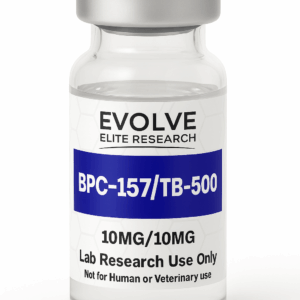
Research Compounds
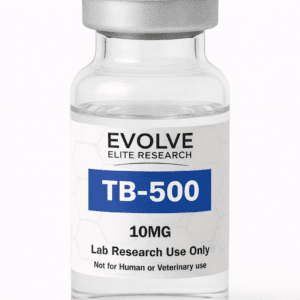
Research Compounds
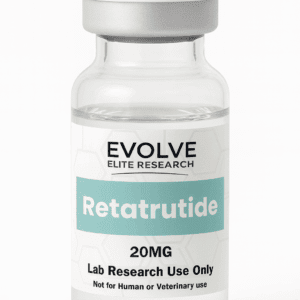
Research Compounds